How to Plan a Three-Day City Break
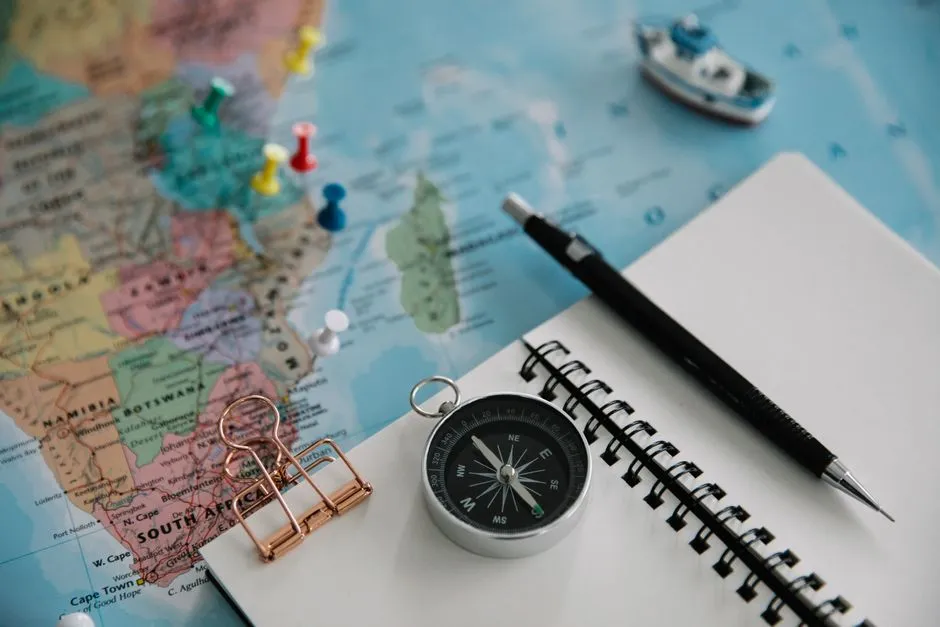
Give each day one anchor
Plan a three-day city break around one main area or fixed experience per day, then add one nearby secondary stop and an optional extra. Group places geographically, verify current opening times and reservation rules, and leave at least one unscheduled block. The result is a trip with direction, not a military campaign against leisure.
A simple shape works in many cities:
- Day one: arrival, orientation, and an easy neighborhood evening;
- Day two: the highest-priority sight or experience, plus its surrounding area; and
- Day three: a contrasting district, flexible favorite, or departure-friendly plan.
Change that order for weather, closure days, tickets, or energy. The framework serves the trip; the trip does not report to the framework.
List priorities in three tiers
Write every idea down, then label it:
Must: the trip would feel incomplete without it. Keep this list short—usually one fixed anchor per full day.
Would like: worthwhile when it fits the route, weather, and energy.
If nearby: small museums, markets, viewpoints, shops, and snack stops that can fill a gap without creating one.
This ranking makes live decisions easier. When rain arrives or a museum closes unexpectedly, you can swap a secondary stop instead of rebuilding the trip while standing under an awning with 4% phone battery.
Design day one for your actual arrival
Arrival time is not hotel time. Add immigration or station navigation, baggage, transfer, check-in, food, and recovery. A flight landing at 14:00 does not create a pristine half-day at 14:01.
Choose a forgiving first route near the lodging: a neighborhood walk, public square, riverfront, market street, or dinner area that does not require a timed ticket. Save current directions offline. If arrival goes smoothly, use an optional stop. If not, the day still succeeds.
The guide to choosing a hotel location shows how the arrival route and late return should influence the base.
Put the hardest reservation on day two
Day two usually offers the most energy and the fewest transport constraints. Place the top museum, performance, guided visit, hike, or other fixed experience here unless its actual schedule says otherwise.
Check the venue's official page shortly before booking and again before visiting. Confirm the date, entry window, last admission, closure days, bag rules, accessibility, identification requirements, and whether a ticket includes a specific entrance. Hours and prices change; screenshots from old blogs do not run the door.
Build the rest of the day in the same area. Allow time to linger and to eat. Two substantial activities plus a flexible walk often create a fuller day than five reservations separated by optimistic blue lines on a map.
Make day three different and movable
Choose a contrasting area: modern after historic, gardens after galleries, residential streets after monumental ones. Keep the plan movable if departure time or weather is uncertain. A place requiring advance entry and a long cross-city journey is a risky final anchor when luggage collection and an airport transfer wait behind it tapping their watches.
If the trip has three full days plus separate arrival and departure days, use the extra time for a day trip only when the transport is straightforward and the city priorities already fit comfortably. “Nearby” is a map concept; “easy day trip” depends on door-to-door time, service frequency, reservations, and the last ride back.
Browse Trip Frameworks for other ways to structure limited time.
Calculate travel in doors, not stations
For every anchor, estimate the journey from the previous door to the next entrance. Include walking to transit, waiting, transfers, security, parking, and finding the correct entrance. Add a buffer before timed bookings.
Group saved places into small clusters. If two attractive stops require crossing the city twice, put one on the “next trip” list. This is not defeat. It is how a city remains interesting after Sunday.
Accessibility changes the calculation. Check step-free routes, elevator status, gradients, surfaces, seating, toilets, and rest opportunities using current official and venue information. Contact providers directly for critical needs.
Build the practical layer
Save lodging details, reservations, insurance information, emergency contacts, and current official travel guidance offline. Learn how to use legitimate local transport and where to buy authorized fares. Carry a payment backup and enough phone power to reach the hotel without summoning divine intervention.
Check the forecast close to departure and move outdoor plans rather than merely packing moral opposition to rain. Schedule meals loosely, but reserve one only when it is genuinely important. Identify alternatives around each anchor so a closure becomes a pivot, not a vacancy.
Leave with a plan that can bend
The final itinerary should fit on one page: daily anchor, nearby options, reservation times, door-to-door routes, and one blank period. Share it with companions and ask about pace, budget, food, and access before bookings become expensive opinions.
Then permit the plan to change. The street musician, long lunch, unexpected exhibition, or needed nap is not sabotaging the itinerary. Those moments are often the reason the itinerary existed—to get you into the city with enough time left to experience it.